In recent years, artificial intelligence (AI) and robotics have radically transformed our approach to dangerous and repetitive tasks in the workplace. This transformation is the focus of a detailed comparative study conducted by the European Agency for Safety and Health at Work (EU-OSHA). The report, titled “Advanced Robotic Automation: Comparative Case Study Report” analyzes the implementation and impact of AI-based systems on worker safety.
The report highlights the challenges and opportunities presented by new technologies and offers a series of strategic documents to explore more specific aspects in greater depth. These may include: the implementation of AI-based systems, the automation of cognitive and physical tasks, and the drivers, barriers, and guidelines for the introduction of “cobots.” This holistic approach provides a comprehensive overview of the implications of advanced robotics for employee safety and health.

Lessons from Pioneering Companies
Companies that have already successfully embraced artificial intelligence offer valuable lessons on how to foster long-term success. Several key elements emerge from their experience. One of these is taking well-considered initial steps, which can facilitatethe gradual integration of new technologies into the workplace.
The other drivers are:
- A motivated workforce
Success is often linked to a motivated workforce. Employees who see the added value these technologies bring to their daily work are more likely to support and embrace change.
- Exchange of experiences among various entities
Shared experience among companies, universities, and other stakeholders is a key element. The exchange of knowledge can accelerate the learning process and reduce the uncertainties associated with the use of advanced technologies.
- Practical experience
Workplaces have often benefited from hands-on experience. Learning through trial and error and continuousadaptation are crucial to fully understanding the potential of these technologies.
- Early Intervention by Workers
The direct involvement of workers in the early stages is key to overcoming resistance and ensuring that new technologies are successfully integrated into the workplace.
Obstacles to Overcome
On the other hand, there are certainly challenges that companies may face when using advanced systems. Some of these obstacles include:
- Resistance from staff
Resistance from workers is a common obstacle. Overcoming the fear of change requires effective dialogue and concrete evidence of the benefits these advanced systems can bring.
- Lack of current European legislation
A lack of risk assessment and preventive measures at the European level can complicate workplace safety.Consistency in practices is crucial for an implementation strategy tailored to local and national specificities.
- The Gap Between Technology and Regulation
The gap between rapid technological change and the slow pace of regulatory adaptation can pose a barrier. The need to align regulations with technological advances is essential to ensuring a safe and compliant work environment.
Strategies for Success
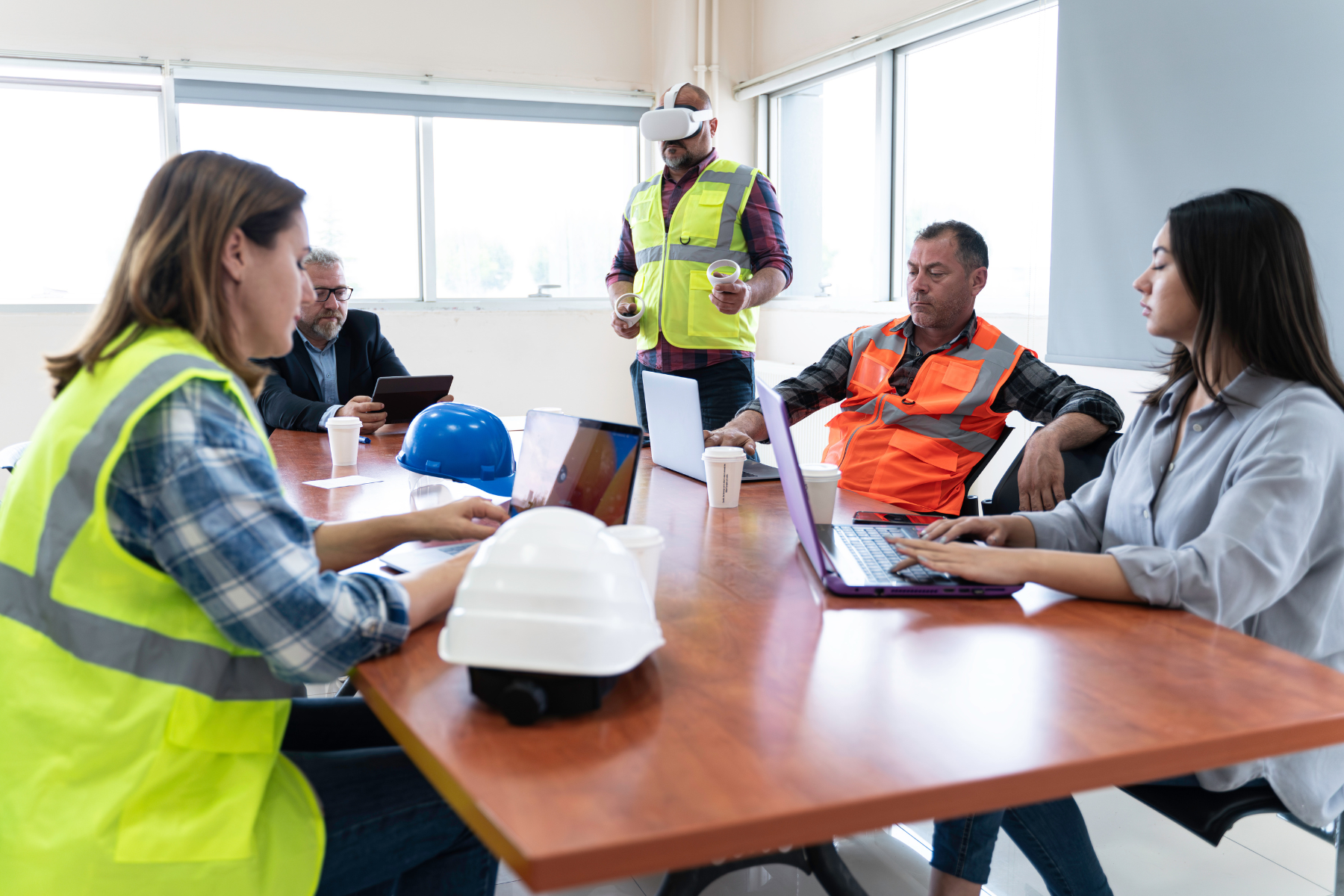
The use of AI-based systems and advanced robotics requires a number of key strategies. Involving workers from the very beginning, adopting an effective narrative, and carefully considering the implications for Occupational Safety and Health (OSH) are essential steps.
- Adapting the Organization for Success
In the implementation process, structural adjustments emerge as a crucial element. These adjustments not only facilitate long-term success but also accelerate the transition process. Based on their experiences, companies adopt various change management methodologies, but they all agree on the importance of providing guidance and support to employees.
- Social Impacts and Technological Acceptance
Contrary to concerns about potential loneliness,acceptance of advanced systems is high. In some cases, workers even give the systems personal names, a sign of high acceptance and trust in the technology.
- Continuous Monitoring of OSH Risks
Constant monitoring of OSH risks is key. Not all risks are immediately apparent, so ongoing monitoring is essential. Companies use periodic inspections, employee feedback, and specialized systems to monitor and address emerging challenges.
Key Elements for Successful Use
- Involve employees early on: Provide access to testing kits, information, and training at the workplace.
- Communicating Effectively: Establishing formal channels to reduce uncertainty and foster employee engagement.
- Follow human-technology interaction principles: Comply with the EN ISO 9241-110 standards to ensure a harmonious relationship with advanced systems.
- Consider OSH from the very beginning: Involve the OSH manager and consult with workers to maximize the positive impact on occupational safety and health.
- Structural adjustments: Embracing change through targeted guidance, support for workers, and a constant focus on safety.
- Continuous OSH Risk Monitoring: Constantly monitor risks through periodic inspections and feedback from workers.
Looking Ahead: Safety and Health in the Digital Age
EU-OSHA is planning an upcoming campaign on “Occupational Safety and Health in the Digital Age,” highlighting the importance of balancing technological innovation with worker safety and health.
In closing…
Artificial intelligence is an evolving reality, offering unique benefits and challenges. Striking a balance between innovation and security requires critical thinking and thoughtful action. Only by embracing change with transparency and adaptability can companies ensure the long-term success of these technological transformations.
Do you want to implement new technologies in your company? Click here and find out what we can do for you!