Author: S1Q

  • Credit-Based Licensing System for Businesses: New Provisions Effective October 1, 2024, Under the PNRR Decree.

    Credit-Based Licensing System for Businesses: New Provisions Effective October 1, 2024, Under the PNRR Decree.

    The Council of Ministers meeting on February 26, 2024, introduced a new requirement for the classification of companies and self-employed individuals, which is mandatory for those companies and self-employed individuals operating on construction sites: the credit-based license for companies.

    The changes will take effect upon publication of the 2024 PNRR Decree in the Official Gazette, but what new provisions will be introduced?

    WHAT IS THE CREDIT-BASED DRIVER’S LICENSE FOR BUSINESSES?

    This certification system for companies and self-employed workers is mandatory for anyone working on construction sites. Effective October 1, 2024, this digital license will be issued by the relevant regional office of the National Labor Inspectorate upon verification that the legal representative of the company or the self-employed individual submitting the application meets the following requirements.

    REQUIREMENTS

    They are as follows:

    • Registration with the Chamber of Commerce, Industry, and Crafts
    • Compliance with the training requirements set forth in Article 37 by the employer, managers, supervisors, and employees of the company
    • Compliance with Training Requirements by Self-Employed Individuals
    • Possession of the Single Document of Social Security Compliance (DURC)
    • Possession of the Risk Assessment Document (RAD)
    • Possession of the Single Tax Compliance Certificate (DURF)

    HOW CREDITS WORK

    The initial score will be 30 credits, and to work at temporary or mobile construction sites, you must have at least 15 credits.

    POINT-BASED DRIVER’S LICENSE SYSTEM FOR BUSINESSES: POINT DEDUCTIONS

    Confirmed by investigations and enforcement actions taken against employers, managers, supervisors, and the self-employed individual.

    a) determination of violations listed in Annex I of the Tusl, “Serious Violations Justifying the Suspension of Business Operations”: 10 credits;
    b) identification of violations that expose workers to the specific risks listed in Annex XI of the Tusl: 7 credits;
    c) penalties for violations related to documentation, registration, and notification of the commencement of business activities, as well as for the detection of undocumented work (Law No. 73 of April 23, 2002): 5 credits;
    d) recognition of the employer’s liability for a workplace accident resulting in:
    1) death: 20 credits;
    2) permanent total or partial disability: 15 credits;
    3) Temporary total disability resulting in absence from work for more than forty days: 10 credits.

    CREDIT REINSTATEMENT

    It will be possible to restore credits that were deducted as a result of attending occupational health and safety training courses. Each course will allow for the restoration of 5 credits, up to a maximum of 15. After the first two years, one credit will be added to the license for each year following the second, up to a maximum total of 10 credits.

    An additional 5 credits are awarded to companies that adopt organizational and management models capable of exempting legal entities, companies, and associations—including those without legal personality—from administrative liability (Legislative Decree No. 231 of June 8, 2001).

    INTRODUCTION: NEW OBLIGATIONS FOR THE CLIENT OR PROJECT MANAGER

    The client or project manager must:

    • verify the technical and professional qualifications of contractors, subcontractors, and self-employed individuals in relation to the duties or work to be assigned.

    For construction sites with fewer than 200 workers per day and no particular risks, the requirement is deemed to be met by submitting a certificate of registration with the Chamber of Commerce, Industry, and Crafts and the single document certifying compliance with social security contributions, together with a self-certification attesting to compliance with the other required conditions.

    • Submit a statement of the average annual headcount, broken down by job title and accompanied by data on employee registrations filed with INPS and INAIL, along with the statement regarding the collective bargaining agreement entered into by the labor unions and applied to employees
    • Verification by contractors that they hold a driver’s license, even in cases of subcontracting
    • Submit to the relevant administrative authority a copy of the preliminary notice, the single document certifying compliance with social security contributions, and a statement confirming that additional documentation has been verified.

    ADDITIONAL MEASURES REGARDING WORKPLACE SAFETY

    Another important aspect of the PNRR Decree will concern accident prevention. In fact, the decree provides for measures to prevent and combat irregular employment, including stricter penalties and increased oversight of health and safety inspections in the workplace.

    With regard to combating illegal employment, the following types of measures will be introduced:

    • estimate
    • rewarding virtuous behavior
    • repressive (criminal penalties)

    Companies will need to act promptly to comply with these new guidelines. But that’s not all:

    Promoting safety on construction sites and within the company can yield a number of tangible benefits. These include reducing accidents and the associated costs, improving productivity and operational efficiency, building a strong corporate reputation, as well as ensuring compliance with regulations and preventing potential legal penalties. Investing in workplace safety and high-quality training therefore translates into a significant competitive advantage for the company, in addition to demonstrating a concrete commitment to the well-being of employees and the community at large.

    SiQ will be there to help you— contact us now so you won’t be caught off guard.
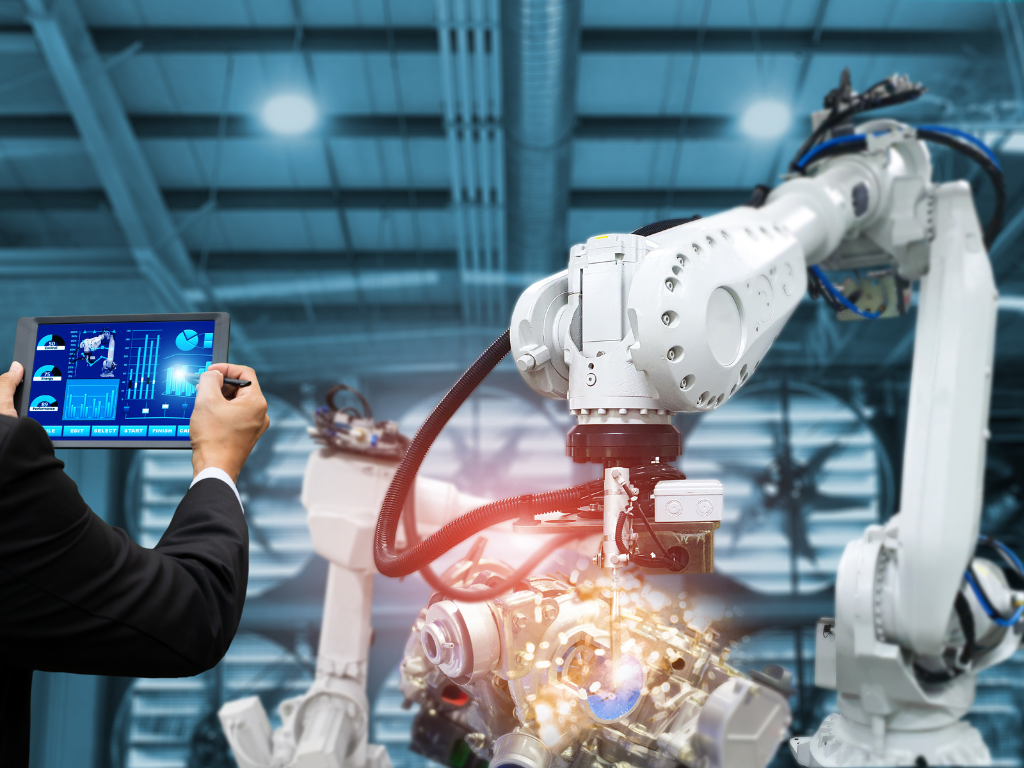
  • The Robotic Revolution: A Comparative Study on Advanced Automation and the Future of Work

    The Robotic Revolution: A Comparative Study on Advanced Automation and the Future of Work

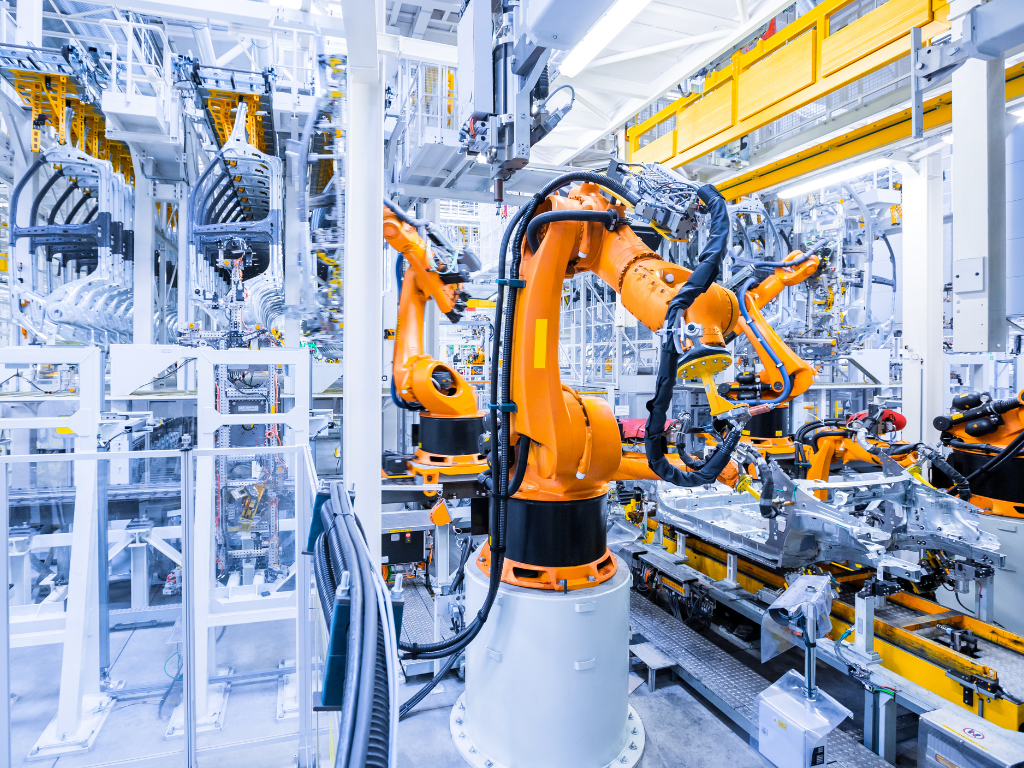
    L’automazione avanzata e la robotica stanno rapidamente trasformando il panorama lavorativo, offrendo nuove opportunità e sollevando interrogativi sul futuro del lavoro. L’EU-OSHA ha condotto uno studio comparativo sulle implicazioni di queste tecnologie sulle condizioni di lavoro e sulla salute dei lavoratori. In questo articolo, esamineremo i risultati del rapporto e i possibili scenari futuri, esplorando come l’automazione potrebbe influenzare l’occupazione, la sicurezza sul lavoro e la qualità della vita dei dipendenti.

    Automazione avanzata: un’analisi in dettaglio

    Lo studio comparativo ha esaminato una serie di settori industriali che hanno abbracciato l’automazione avanzata e l’utilizzo di robot collaborativi. Dai reparti di produzione delle fabbriche ai magazzini, dai settori dell’assistenza sanitaria all’agricoltura, le macchine intelligenti stanno diventando sempre più presenti nella forza lavoro.

    Le implicazioni di questa evoluzione tecnologica sono complesse e sfaccettate. Da un lato, l’automazione offre la possibilità di aumentare la produttività, ridurre gli errori e migliorare l’efficienza complessiva delle operazioni. D’altro canto, questa tendenza solleva preoccupazioni riguardo alla perdita di posti di lavoro tradizionali e alla necessità di riconvertire le competenze dei lavoratori per adattarsi al nuovo scenario.

    Rivoluzione Robotica: automazione elevata e futuro del lavoro - SiQ

    Impatto sull’occupazione e la qualità del lavoro

    Uno dei principali argomenti affrontati dal rapporto riguarda l’impatto sull’occupazione. L’automazione avanzata può sostituire alcune mansioni ripetitive e pericolose, liberando i lavoratori da compiti monotoni. Tuttavia, ciò potrebbe portare alla perdita di posti di lavoro tradizionali e richiedere un adeguamento delle competenze per affrontare il cambiamento tecnologico.

    D’altro canto, l’automazione può anche creare nuove opportunità lavorative, richiedendo professionisti specializzati nella progettazione, manutenzione e programmazione dei robot. Questa tendenza potrebbe aprire la strada a nuovi settori e impieghi altamente qualificati.

    L’aspetto della qualità del lavoro è altrettanto importante. L’automazione può ridurre la fatica fisica e l’esposizione a rischi per i lavoratori, migliorando la salute e il benessere generale. Tuttavia, è essenziale assicurarsi che le condizioni di lavoro siano ergonomicamente corrette e che i lavoratori siano adeguatamente formati per operare in un ambiente collaborativo con le macchine.

    Garantire la sicurezza sul lavoro nell’era dell’automazione

    Un’altra area di interesse del rapporto riguarda la sicurezza sul lavoro. Mentre le macchine intelligenti possono ridurre alcuni rischi sul posto di lavoro, possono anche introdurne di nuovi, come ad esempio il rischio di collisioni o la necessità di interagire con robot collaborativi.

    La formazione dei lavoratori per affrontare questi nuovi rischi è cruciale. Inoltre, è essenziale sviluppare normative e linee guida specifiche per garantire che le nuove tecnologie vengano implementate in modo sicuro e responsabile.

    Rivoluzione Robotica: automazione elevata e futuro del lavoro - SiQ

    Lo studio comparativo sull’automazione avanzata offre uno sguardo approfondito sulle trasformazioni in atto nel mondo del lavoro. L’automazione offre indubbi vantaggi in termini di produttività e qualità, ma richiede un approccio olistico per affrontare le sfide legate all’occupazione e alla sicurezza sul lavoro.

    Il futuro del lavoro dipenderà dalla capacità di adattarsi all’automazione e di investire nelle competenze dei lavoratori. Attraverso una cooperazione tra istituzioni, aziende, lavoratori e organizzazioni, possiamo plasmare un futuro lavorativo sostenibile e sicuro, in cui l’automazione avanzata sia un’opportunità per migliorare la vita dei dipendenti e non un rischio per la loro sicurezza e benessere.

  • EU Strategic Framework on Occupational Safety and Health 2021–2027

    EU Strategic Framework on Occupational Safety and Health 2021–2027

    Transizione verde, prevenzione infortuni e crisi sanitarie al centro dell’attenzione Europea.

    Il quadro strategico dell’EU in materia di salute e sicurezza sul lavoro 2021-2027 affronta i cambiamenti impellenti che il mondo del lavoro affronta e stabilisce priorità e azioni da intraprendere per adeguare e incrementare la sicurezza e il benessere sui luoghi di lavoro.

    Coinvolgendo più parti, dagli stati membri e le istituzioni europee, dalle parti sociali a tutti gli attori interessati, il documento stabilisce tre principali aree di intervento prioritarie.

    1. TRANSIZIONE VERDE, DIGITALE E DEMOGRAFICA

    Per garantire luoghi di lavoro sicuri e sani durante la transizione digitale, verde e demografica, la Commissione riesaminerà la direttiva sui luoghi di lavoro e la direttiva sui videoterminali. Inoltre porrà dei limiti di protezione riguardo l’esposizione ad amianto, piombo, cobalto e agenti chimici e cancerogeni.

    La campagna “Ambienti di lavoro sani e sicuri” avrà come obiettivo la creazione di un futuro lavorativo digitale sano e sicuro, soprattutto in materia di benessere ergonomico e psicosociale.

    Quadro strategico dell’UE 2021-2027 - SiQ
    1. PREVENZIONE MALATTIE SUL LAVORO VERSO UNA “VISIONE ZERO” RISPETTO AI DATI DI MORTALITÀ

    L’approccio “zero vittime” che si vuole promuovere è volto allo scopo di eliminare i decessi legati al lavoro nell’UE. La Commissione aggiornerà inoltre le normative dell’UE sulle sostanze chimiche cancerogene e pericolose per le malattie riproduttive e respiratorie. Al centro anche la sensibilizzazione sulla salute mentale, sulle molestie e sui pregiudizi di genere.

    1. INCREMENTARE LA PREPARAZIONE PER AFFRONTARE EVENTUALI CRISI SANITARIE ATTUALI E FUTURE

    Traendo insegnamenti dalla scorsa pandemia attraverso valutazioni approfondite dei suoi effetti, la Commissione svilupperà procedure e orientamenti di emergenza per la rapida diffusione, attuazione e monitoraggio delle misure in potenziali crisi sanitarie future, in stretta collaborazione con gli operatori della sanità pubblica.

    Quadro strategico dell’UE 2021-2027 - SiQ

    L’ATTUAZIONE DEL PIANO STRATEGICO EU

    Per poter raggiungere gli obiettivi del piano strategico, verrà attuata una serie di azioni mirate quali il portare avanti un costante ed efficace dialogo tra le parti interessate, la creazione di nuove politiche derivanti da dati reali e concreti, un’applicazione della legislazione in vigore nell’UE migliorata e con maggiore monitoraggio, l’attuazione di campagne volte a sensibilizzare riguardo i temi in questione e lo sblocco di fondi dedicati al miglioramento della salute e sicurezza sul lavoro.

    Tutto ciò avverrà con la guida da parte della Commissione Europea verso i suoi Stati Membri, con l’invito di adeguare e aggiornare le strategie e azioni nazionali in materia, per poter adeguare tutta l’area europea alle nuove misure ed ai nuovi standard individuati.

    IL RUOLO CHIAVE DELL’EU-OSHA

    Per potersi dichiarare un successo, il quadro strategico dovrà essere sostenuto ed attuato a livello europeo, nazionale, settoriale e aziendale andando a ricercare un’applicazione capillare ed efficace.

    La posizione privilegiata dell’EU-OSHA dovuta alla diffusa rete di partner, agevola il suo ruolo di facilitatore per la cooperazione e l’azione volta a raggiungere gli obiettivi del piano.

    Per approfondimenti consulta il quadro strategico dell’UE in materia di salute e sicurezza sul lavoro 2021-2027.

  • EU-OSH Summit 2023: Safety in the Future of Work in Europe

    EU-OSH Summit 2023: Safety in the Future of Work in Europe

    2023 marked an important milestone for occupational safety and health in Europe with the return of the EU-OSH Summit. Experts, professionals, and organizations came together to discuss the latest trends and challenges in the workplace. In this article, we will explore the key findings that emerged during the event, focusing on three key aspects: the importance of guidelines for dealing with heat in the workplace, the new EU Strategic Framework for Occupational Safety and Health 2021–2027, and new prospects for worker protection in the future of European work.

    Dealing with Heat at Work: Guidelines for Businesses

    The risks associated with working in extreme heat are becoming increasingly significant. To protect workers from heat-related risks, EU-OSHA has published a set of guidelines for employers. This document offers valuable advice on how to prevent heatstroke, recognize the early symptoms of heat exposure, and provide appropriate protective measures.

    The guidelines encourage companies to carefully plan outdoor work on hot days, provide shelters or shaded areas, supply cold beverages, and allow for greater flexibility in work schedules. Keeping workers informed about the risks of heat and training them on how to cope with these extreme conditions is equally crucial. Through these measures, companies can ensure a safer and more comfortable work environment during the increasingly frequent heat waves that are also affecting our country.

    EU-OSH Summit 2023: Safety in the Future of Work in Europe - SiQ srl

    The EU’s New Strategic Framework for Occupational Safety and Health 2021–2027

    The EU Strategic Framework for Occupational Safety and Health 2021–2027 serves as a roadmap for future efforts to protect workers. The Summit emphasized the importance of addressing new challenges in the world of work, such as digitalization, new forms of employment, and climate change.

    The strategic framework aims to improve the enforcement of existing laws and regulations, strengthen stakeholder engagement, and promote a culture of prevention. In addition, it places particular emphasis on promoting mental health in the workplace and creating inclusive and safe work environments for all employees.

    The 2023 EU-OSH Summit and the Future of Work in Europe

    The Summit provided valuable insights into the future of work in Europe. The emergence of new technologies and forms of employment requires constant adaptation to ensure worker safety. The growing use of artificial intelligence and automation has made it necessary to develop new skills and provide specialized training to avoid unexpected risks.

    Workplace flexibility—including remote work and hybrid work arrangements—offers new opportunities, but it also requires ensuring that remote workers have access to the same health and safety measures as those who work in the office.

    The 2023 EU-OSH Summit was a landmark event for occupational safety and health in Europe. With new guidelines on heat stress in the workplace, the EU’s Strategic Framework for Occupational Safety and Health 2021–2027, and perspectives on the future of work in Europe, the EU is committed to creating a safer, more inclusive, and more resilient work environment.

    Raising awareness among companies about the challenges posed by heat in the workplace, implementing a strategic framework to improve health and safety, and adapting to new work dynamics are essential steps toward ensuring the well-being and protection of workers in Europe, in an ever-changing world of work. Only through collaboration and the joint commitment of institutions, companies, workers, and stakeholders can we build a safe and sustainable future of work for everyone.

  • High temperatures and outdoor work: risks and prevention

    High temperatures and outdoor work: risks and prevention

    Working outdoors can be rewarding in all seasons, but when outdoor temperatures rise and become high, there is a risk of experiencing adverse effects on workers’ health and safety. High temperatures can lead to a range of adverse conditions, including heat stroke, heat exhaustion, and dehydration. It is essential that employers and employees are aware of the dangers associated with these conditions and take appropriate preventive measures to ensure a safe working environment.

    Work hazards associated with outdoor activities

    Work hazards associated with outdoor activities include exposure to extreme temperatures. The high heat of the surrounding environment can lead to an increase in body temperature, putting workers’ health at risk. Workers who perform physically demanding activities, such as lifting heavy loads or performing manual labor, as well as activities that are necessarily conducted in the sun, are particularly vulnerable to the adverse effects of high temperatures and subject to heat overexertion, such as heat stroke and heat exhaustion. Symptoms of these conditions include fatigue, weakness, headache, dizziness, and nausea. In severe cases, loss of consciousness and damage to internal organs may occur.

    For this reason, proper risk assessment is essential to identify the necessary preventive measures. Some of the suggested measures include using roofs or curtains to create shaded areas, installing air-cooling systems, taking frequent breaks in cool environments, and providing access to cool drinks and hydration. It is also critical to provide workers with the proper training on the prevention of heat overexertion and the importance of rehydration.

    Prevention: what measures to take?

    To prevent the risks associated with exposure to high temperatures while working outdoors, it is essential to take a number of preventive measures. Some practical tips include:

    • Constantly monitor the weather forecast and adjust working hours to avoid the hottest hours of the day, if possible;
    • Provide appropriate clothing, such as light, breathable, light-colored clothing, hats and sunglasses;
    • Ensure that workers have access to drinking water sources and encourage them to drink frequently to maintain adequate hydration;
    • Plan regular breaks during which workers can rest in cool, shaded areas.
    • Provide the necessary training to employees regarding the risks associated with exposure to high temperatures and the preventive measures to be taken;
    • Constantly monitor the health status of workers and encourage them to promptly report any symptoms of heat overexertion.

    In conclusion, working outdoors in high temperatures poses significant risks to workers’ health and safety. It is essential that employers take appropriate preventive measures to prevent the adverse effects of high temperatures. Careful planning of working hours, provision of proper protective equipment and access to cool, hydrating drinks are just some of the actions that can help create a safe and healthy work environment even during the hottest days of the year.

    Contact us to evaluate together a consulting path to increase security in your company.

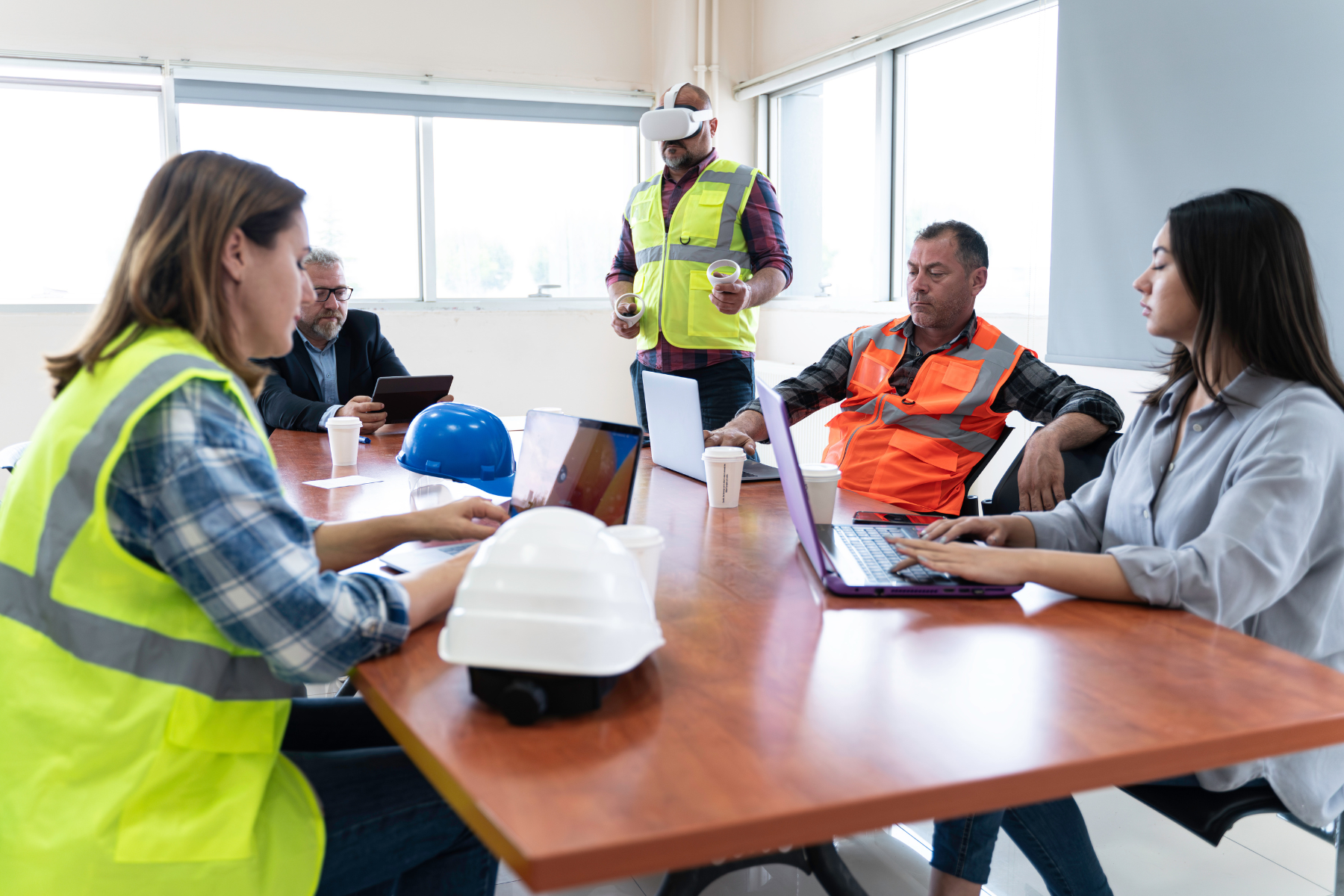
  • The importance of worker training for safety and business success

    The importance of worker training for safety and business success

    Worker training is a key aspect of ensuring workplace safety and fostering business growth and success. In this article, we will explore the importance of employee continuing education, focusing on its influence on safety and human capital within organizations.

    Job training and safety

    Worker training is essential to prevent workplace accidents. Through targeted training programs, employees gain knowledge of safety regulations, learn to recognize hazards, and are instructed in the proper use of equipment and related procedures. A well-trained workforce is able to act consciously and responsibly, significantly reducing the likelihood of injury.

    The value of human capital

    Worker training represents an investment in the company’s human capital. Through training, employees develop new skills and abilities that contribute to their professional development. A skilled and motivated workforce leads to higher productivity, better quality of work and innovation within the organization itself. It also fosters employee retention, reducing costs associated with staff replacement and promoting a positive work climate.

    Worker Training -SiQ Ltd.

    The safety training requirement

    It is important to emphasize that worker training is not just a recommended choice, but a real legal obligation. Current regulations require companies to provide the necessary training to employees so that they can do their jobs safely. In general, the number of hours for general and specific training provides the following minimum total duration:

    • Low risk activities: 8 hours (4 general + 4 specific);
    • Medium risk activities: 12 hours (4 general + 8 specific);
    • High-risk activities: 16 hours (4 general + 12 specific).

    Failure to adhere to these obligations may result in penalties and legal repercussions. Therefore, it is crucial that companies engage in training their workers, ensuring compliance with regulations and the safety of all employees.

    Benefits for companies and workers

    Continuing education for workers brings numerous benefits to both companies and the employees themselves. For companies, it improvescorporate reputation andimage, reduces legal risks, and increases overall productivity. Employees, on the other hand, benefit from increased job security, improved skills and opportunities for professional advancement.

    Companies that recognize the importance of training and place it at the center of their strategies will therefore have a significant advantage in achieving long-term success.

    Discover our dedicated training services here. Investing in the training of your employees is a key step in ensuring the safety, success and growth of your company.

  • World Day for Safety and Health at Work.

    World Day for Safety and Health at Work.

    April 28 each year falls on the celebration of World Day for Safety and Health at Work. Established by the International Labour Organization (ILO) in June 2003, following the International Labour Conference, it stems from the need to highlight the importance of safe work, healthy, safe and decent work for every individual.

    ITALIAN DATA.

    Unfortunately, the data are not encouraging and continue to underscore how necessary it is to maintain a high level of attention to the issue. In fact, occupational injury reports submitted to Inail show that there was a 25.7 percent increase in 2021 (up 25.9 percent from 554,340 in January-December 2020 and up 8.7 percent from 641,638 in January-December 2019).

    Although an encouraging figure concerns the number of fatal occupational injury reports submitted to the Institute last December (131 fewer than the 1,221 reported in 2021 or -10.7 percent), it will be necessary to wait for the Institute’s Annual Report at the end of April 2023 when the annual data will be released to have more clarity and a broader view on the trend of the phenomenon.

    WHAT COMPANIES CAN DO

    The current legislation represented by Legislative Decree. n. 81 of 2008 provides three distinct implementable actions that are identified as:

    1 – Assessment of the risks to which workers are exposed

    2 – Most appropriate safety measures to eliminate or contain the identified risks

    3 – Suitable worker information and training

    It is through these steps that every company takes every possible action to ensure the well-being and safety of its workers and employees.

    OUR SERVICES FOR YOU

    SiQ Srl., a company specializing in safety and quality services, can accompany you all the way to manage safety in the company and specifically we can take care of:

    • Appointing the Prevention and Protection Service Manager (RSPP)
    • Appointing the Prevention and Protection Service Officer (ASPP)
    • Delegation of the Employer’s responsibilities as Manager of the company.
    • Assistance and advice to the Prevention and Protection Service and the Employer
    • Check-up and assessment of compliance, reporting non-compliance present and actions that need to be taken for them to be eliminated and resolved (Check-Up)
    • Preparation of the general risk assessment document (DVR) with job description, organization chart, floor plans and company photo report
    • Assessment of specific risks (Vibration, Noise, Electromagnetic fields, Artificial optical radiation, Ionizing radiation, Confined spaces, Work-related stress, Microclimate, Radon, Electrical, Lightning, Chemical, Biological, Asbestos, Ergonomics, Manual handling of loads, Repetitive movements, Fire, ATEX, Seismic risk, Machinery risk analysis, Mechanical risks, etc.).
    • Health surveillance assistance
    • Appointing the Competent physician
    • Appointing the Coordinating physician (for complex organizations)
    • Certified expertise specific to ISI-INAIL Appeals.
    • Privacy Management
    • Emergency and Evacuation Plans (EEPs) with elaboration of “You Are Here” floor plans.
    • Fire projects, assistance in obtaining the Fire Prevention Certificate (CPI)
    • Assisting the Employer in the development of Safety Plans (SOPs and PiMUS)
    • Assistance to the Employer in control activities – Inspections at Workplaces (SLL)
    • Assistance to firms in the preparation of the Unified Risk Assessment Documents (DUVRI) and the fulfillment of the obligations of cooperation and coordination in the management of contract services
    • Reports and coordination reports to manage external procurement at the contracting firm
    • Event management (pre-event, set-up, event, dismantling), including organization of the team in charge of fire and first aid emergency management

    Scopri tutti i nostri servizi qui.
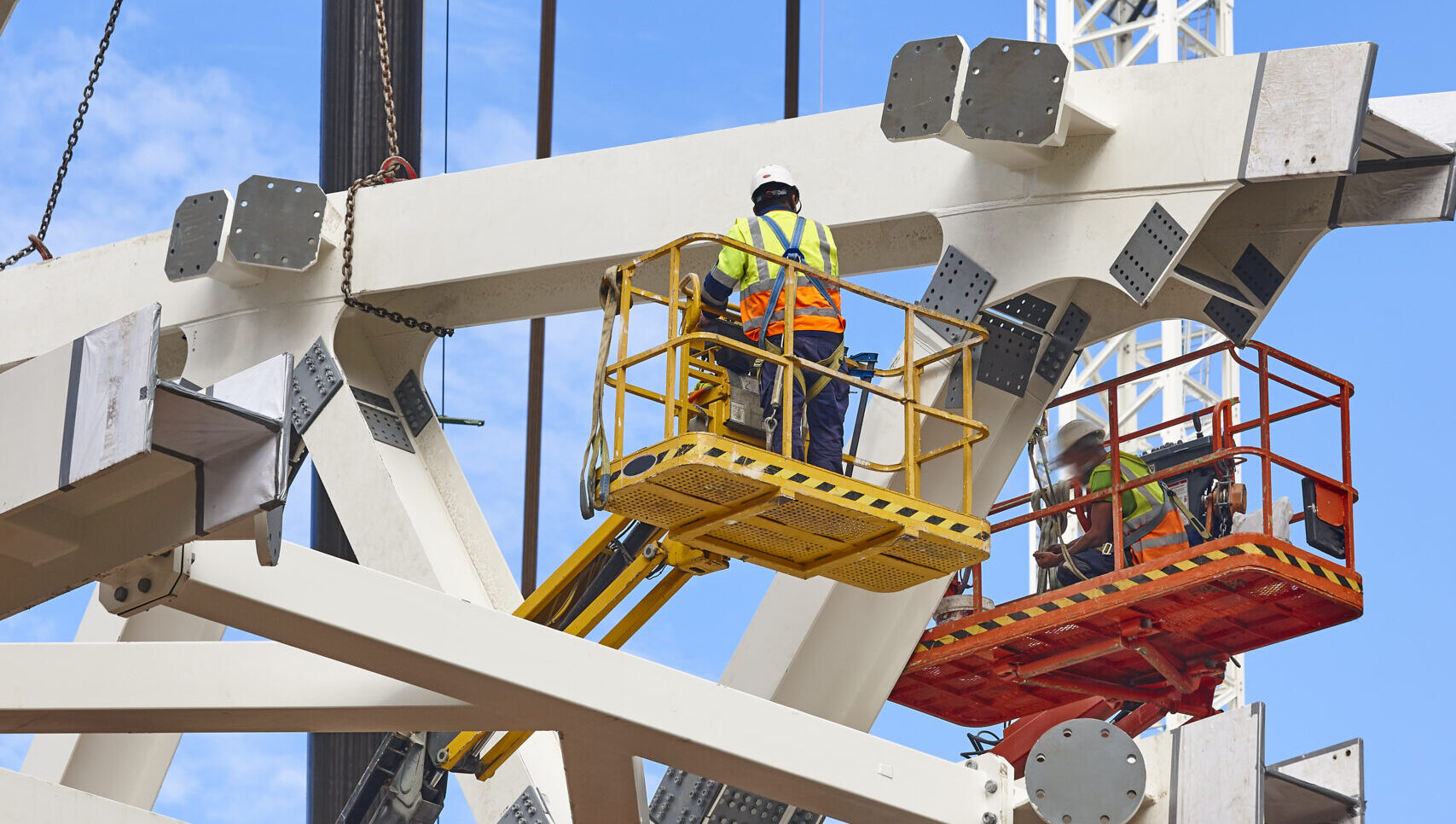
  • Operational safety at construction sites: risks and prevention

    Operational safety at construction sites: risks and prevention

    Operational safety at construction sites: risks and prevention

    Operational safety comes through a thoughtful set of prevention and protection activities with the aim of reducing workers’ exposure to the risks associated with carrying out daily work activities and ensuring that they enjoy conditions of good health, safety and well-being

    Related articles

    Related articles