
Tag: Health

  • EU Strategic Framework on Occupational Safety and Health 2021–2027

    EU Strategic Framework on Occupational Safety and Health 2021–2027

    Transizione verde, prevenzione infortuni e crisi sanitarie al centro dell’attenzione Europea.

    Il quadro strategico dell’EU in materia di salute e sicurezza sul lavoro 2021-2027 affronta i cambiamenti impellenti che il mondo del lavoro affronta e stabilisce priorità e azioni da intraprendere per adeguare e incrementare la sicurezza e il benessere sui luoghi di lavoro.

    Coinvolgendo più parti, dagli stati membri e le istituzioni europee, dalle parti sociali a tutti gli attori interessati, il documento stabilisce tre principali aree di intervento prioritarie.

    1. TRANSIZIONE VERDE, DIGITALE E DEMOGRAFICA

    Per garantire luoghi di lavoro sicuri e sani durante la transizione digitale, verde e demografica, la Commissione riesaminerà la direttiva sui luoghi di lavoro e la direttiva sui videoterminali. Inoltre porrà dei limiti di protezione riguardo l’esposizione ad amianto, piombo, cobalto e agenti chimici e cancerogeni.

    La campagna “Ambienti di lavoro sani e sicuri” avrà come obiettivo la creazione di un futuro lavorativo digitale sano e sicuro, soprattutto in materia di benessere ergonomico e psicosociale.

    Quadro strategico dell’UE 2021-2027 - SiQ
    1. PREVENZIONE MALATTIE SUL LAVORO VERSO UNA “VISIONE ZERO” RISPETTO AI DATI DI MORTALITÀ

    L’approccio “zero vittime” che si vuole promuovere è volto allo scopo di eliminare i decessi legati al lavoro nell’UE. La Commissione aggiornerà inoltre le normative dell’UE sulle sostanze chimiche cancerogene e pericolose per le malattie riproduttive e respiratorie. Al centro anche la sensibilizzazione sulla salute mentale, sulle molestie e sui pregiudizi di genere.

    1. INCREMENTARE LA PREPARAZIONE PER AFFRONTARE EVENTUALI CRISI SANITARIE ATTUALI E FUTURE

    Traendo insegnamenti dalla scorsa pandemia attraverso valutazioni approfondite dei suoi effetti, la Commissione svilupperà procedure e orientamenti di emergenza per la rapida diffusione, attuazione e monitoraggio delle misure in potenziali crisi sanitarie future, in stretta collaborazione con gli operatori della sanità pubblica.

    Quadro strategico dell’UE 2021-2027 - SiQ

    L’ATTUAZIONE DEL PIANO STRATEGICO EU

    Per poter raggiungere gli obiettivi del piano strategico, verrà attuata una serie di azioni mirate quali il portare avanti un costante ed efficace dialogo tra le parti interessate, la creazione di nuove politiche derivanti da dati reali e concreti, un’applicazione della legislazione in vigore nell’UE migliorata e con maggiore monitoraggio, l’attuazione di campagne volte a sensibilizzare riguardo i temi in questione e lo sblocco di fondi dedicati al miglioramento della salute e sicurezza sul lavoro.

    Tutto ciò avverrà con la guida da parte della Commissione Europea verso i suoi Stati Membri, con l’invito di adeguare e aggiornare le strategie e azioni nazionali in materia, per poter adeguare tutta l’area europea alle nuove misure ed ai nuovi standard individuati.

    IL RUOLO CHIAVE DELL’EU-OSHA

    Per potersi dichiarare un successo, il quadro strategico dovrà essere sostenuto ed attuato a livello europeo, nazionale, settoriale e aziendale andando a ricercare un’applicazione capillare ed efficace.

    La posizione privilegiata dell’EU-OSHA dovuta alla diffusa rete di partner, agevola il suo ruolo di facilitatore per la cooperazione e l’azione volta a raggiungere gli obiettivi del piano.

    Per approfondimenti consulta il quadro strategico dell’UE in materia di salute e sicurezza sul lavoro 2021-2027.
  • EU-OSH Summit 2023: Safety in the Future of Work in Europe

    EU-OSH Summit 2023: Safety in the Future of Work in Europe

    2023 marked an important milestone for occupational safety and health in Europe with the return of the EU-OSH Summit. Experts, professionals, and organizations came together to discuss the latest trends and challenges in the workplace. In this article, we will explore the key findings that emerged during the event, focusing on three key aspects: the importance of guidelines for dealing with heat in the workplace, the new EU Strategic Framework for Occupational Safety and Health 2021–2027, and new prospects for worker protection in the future of European work.

    Dealing with Heat at Work: Guidelines for Businesses

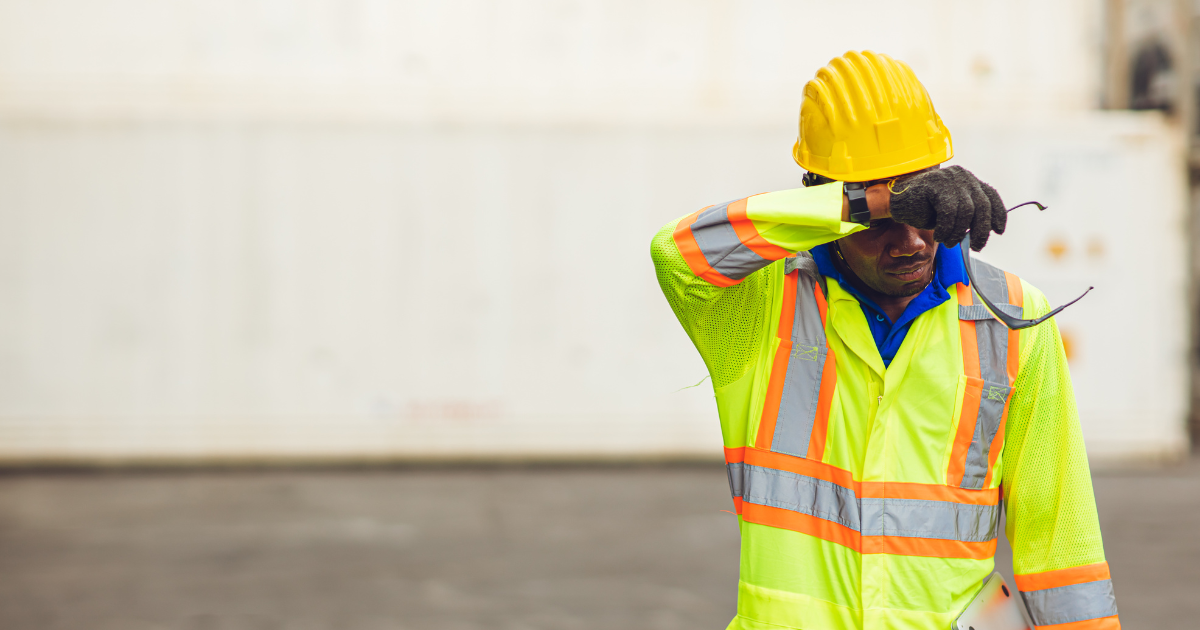
    The risks associated with working in extreme heat are becoming increasingly significant. To protect workers from heat-related risks, EU-OSHA has published a set of guidelines for employers. This document offers valuable advice on how to prevent heatstroke, recognize the early symptoms of heat exposure, and provide appropriate protective measures.

    The guidelines encourage companies to carefully plan outdoor work on hot days, provide shelters or shaded areas, supply cold beverages, and allow for greater flexibility in work schedules. Keeping workers informed about the risks of heat and training them on how to cope with these extreme conditions is equally crucial. Through these measures, companies can ensure a safer and more comfortable work environment during the increasingly frequent heat waves that are also affecting our country.

    EU-OSH Summit 2023: Safety in the Future of Work in Europe - SiQ srl

    The EU’s New Strategic Framework for Occupational Safety and Health 2021–2027

    The EU Strategic Framework for Occupational Safety and Health 2021–2027 serves as a roadmap for future efforts to protect workers. The Summit emphasized the importance of addressing new challenges in the world of work, such as digitalization, new forms of employment, and climate change.

    The strategic framework aims to improve the enforcement of existing laws and regulations, strengthen stakeholder engagement, and promote a culture of prevention. In addition, it places particular emphasis on promoting mental health in the workplace and creating inclusive and safe work environments for all employees.

    The 2023 EU-OSH Summit and the Future of Work in Europe

    The Summit provided valuable insights into the future of work in Europe. The emergence of new technologies and forms of employment requires constant adaptation to ensure worker safety. The growing use of artificial intelligence and automation has made it necessary to develop new skills and provide specialized training to avoid unexpected risks.

    Workplace flexibility—including remote work and hybrid work arrangements—offers new opportunities, but it also requires ensuring that remote workers have access to the same health and safety measures as those who work in the office.

    The 2023 EU-OSH Summit was a landmark event for occupational safety and health in Europe. With new guidelines on heat stress in the workplace, the EU’s Strategic Framework for Occupational Safety and Health 2021–2027, and perspectives on the future of work in Europe, the EU is committed to creating a safer, more inclusive, and more resilient work environment.

    Raising awareness among companies about the challenges posed by heat in the workplace, implementing a strategic framework to improve health and safety, and adapting to new work dynamics are essential steps toward ensuring the well-being and protection of workers in Europe, in an ever-changing world of work. Only through collaboration and the joint commitment of institutions, companies, workers, and stakeholders can we build a safe and sustainable future of work for everyone.

  • High temperatures and outdoor work: risks and prevention

    High temperatures and outdoor work: risks and prevention

    Working outdoors can be rewarding in all seasons, but when outdoor temperatures rise and become high, there is a risk of experiencing adverse effects on workers’ health and safety. High temperatures can lead to a range of adverse conditions, including heat stroke, heat exhaustion, and dehydration. It is essential that employers and employees are aware of the dangers associated with these conditions and take appropriate preventive measures to ensure a safe working environment.

    Work hazards associated with outdoor activities

    Work hazards associated with outdoor activities include exposure to extreme temperatures. The high heat of the surrounding environment can lead to an increase in body temperature, putting workers’ health at risk. Workers who perform physically demanding activities, such as lifting heavy loads or performing manual labor, as well as activities that are necessarily conducted in the sun, are particularly vulnerable to the adverse effects of high temperatures and subject to heat overexertion, such as heat stroke and heat exhaustion. Symptoms of these conditions include fatigue, weakness, headache, dizziness, and nausea. In severe cases, loss of consciousness and damage to internal organs may occur.

    For this reason, proper risk assessment is essential to identify the necessary preventive measures. Some of the suggested measures include using roofs or curtains to create shaded areas, installing air-cooling systems, taking frequent breaks in cool environments, and providing access to cool drinks and hydration. It is also critical to provide workers with the proper training on the prevention of heat overexertion and the importance of rehydration.

    Prevention: what measures to take?

    To prevent the risks associated with exposure to high temperatures while working outdoors, it is essential to take a number of preventive measures. Some practical tips include:

    • Constantly monitor the weather forecast and adjust working hours to avoid the hottest hours of the day, if possible;
    • Provide appropriate clothing, such as light, breathable, light-colored clothing, hats and sunglasses;
    • Ensure that workers have access to drinking water sources and encourage them to drink frequently to maintain adequate hydration;
    • Plan regular breaks during which workers can rest in cool, shaded areas.
    • Provide the necessary training to employees regarding the risks associated with exposure to high temperatures and the preventive measures to be taken;
    • Constantly monitor the health status of workers and encourage them to promptly report any symptoms of heat overexertion.

    In conclusion, working outdoors in high temperatures poses significant risks to workers’ health and safety. It is essential that employers take appropriate preventive measures to prevent the adverse effects of high temperatures. Careful planning of working hours, provision of proper protective equipment and access to cool, hydrating drinks are just some of the actions that can help create a safe and healthy work environment even during the hottest days of the year.

    Contact us to evaluate together a consulting path to increase security in your company.

  • World Day for Safety and Health at Work.

    World Day for Safety and Health at Work.

    April 28 each year falls on the celebration of World Day for Safety and Health at Work. Established by the International Labour Organization (ILO) in June 2003, following the International Labour Conference, it stems from the need to highlight the importance of safe work, healthy, safe and decent work for every individual.

    ITALIAN DATA.

    Unfortunately, the data are not encouraging and continue to underscore how necessary it is to maintain a high level of attention to the issue. In fact, occupational injury reports submitted to Inail show that there was a 25.7 percent increase in 2021 (up 25.9 percent from 554,340 in January-December 2020 and up 8.7 percent from 641,638 in January-December 2019).

    Although an encouraging figure concerns the number of fatal occupational injury reports submitted to the Institute last December (131 fewer than the 1,221 reported in 2021 or -10.7 percent), it will be necessary to wait for the Institute’s Annual Report at the end of April 2023 when the annual data will be released to have more clarity and a broader view on the trend of the phenomenon.

    WHAT COMPANIES CAN DO

    The current legislation represented by Legislative Decree. n. 81 of 2008 provides three distinct implementable actions that are identified as:

    1 – Assessment of the risks to which workers are exposed

    2 – Most appropriate safety measures to eliminate or contain the identified risks

    3 – Suitable worker information and training

    It is through these steps that every company takes every possible action to ensure the well-being and safety of its workers and employees.

    OUR SERVICES FOR YOU

    SiQ Srl., a company specializing in safety and quality services, can accompany you all the way to manage safety in the company and specifically we can take care of:

    • Appointing the Prevention and Protection Service Manager (RSPP)
    • Appointing the Prevention and Protection Service Officer (ASPP)
    • Delegation of the Employer’s responsibilities as Manager of the company.
    • Assistance and advice to the Prevention and Protection Service and the Employer
    • Check-up and assessment of compliance, reporting non-compliance present and actions that need to be taken for them to be eliminated and resolved (Check-Up)
    • Preparation of the general risk assessment document (DVR) with job description, organization chart, floor plans and company photo report
    • Assessment of specific risks (Vibration, Noise, Electromagnetic fields, Artificial optical radiation, Ionizing radiation, Confined spaces, Work-related stress, Microclimate, Radon, Electrical, Lightning, Chemical, Biological, Asbestos, Ergonomics, Manual handling of loads, Repetitive movements, Fire, ATEX, Seismic risk, Machinery risk analysis, Mechanical risks, etc.).
    • Health surveillance assistance
    • Appointing the Competent physician
    • Appointing the Coordinating physician (for complex organizations)
    • Certified expertise specific to ISI-INAIL Appeals.
    • Privacy Management
    • Emergency and Evacuation Plans (EEPs) with elaboration of “You Are Here” floor plans.
    • Fire projects, assistance in obtaining the Fire Prevention Certificate (CPI)
    • Assisting the Employer in the development of Safety Plans (SOPs and PiMUS)
    • Assistance to the Employer in control activities – Inspections at Workplaces (SLL)
    • Assistance to firms in the preparation of the Unified Risk Assessment Documents (DUVRI) and the fulfillment of the obligations of cooperation and coordination in the management of contract services
    • Reports and coordination reports to manage external procurement at the contracting firm
    • Event management (pre-event, set-up, event, dismantling), including organization of the team in charge of fire and first aid emergency management

    Scopri tutti i nostri servizi qui.